
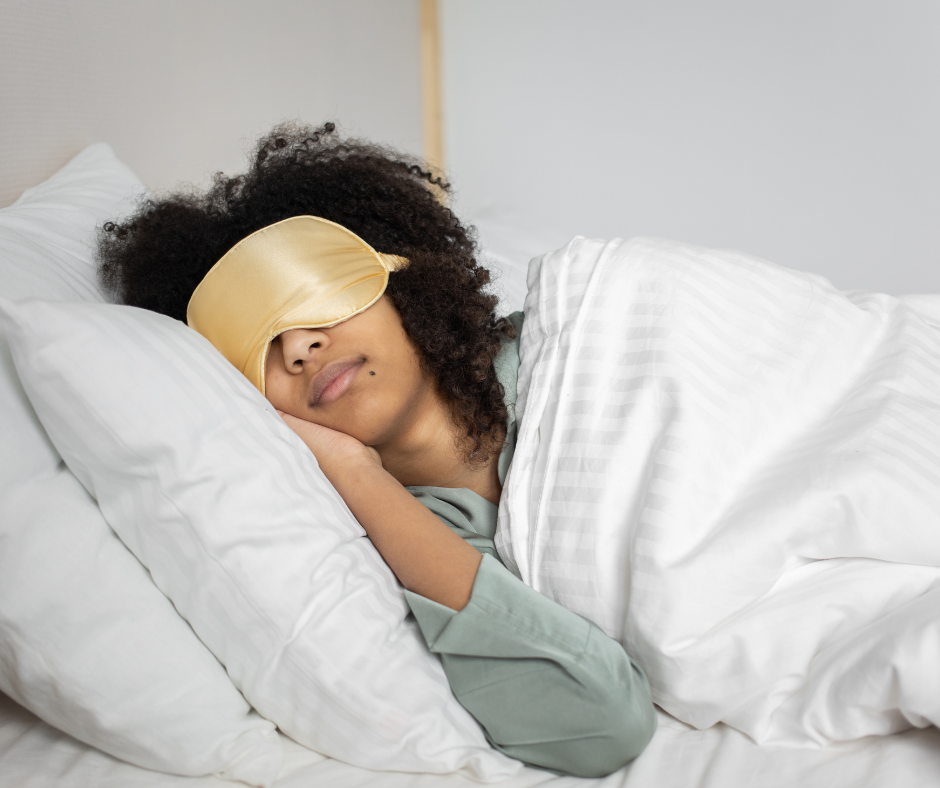
Getting a good night’s sleep is essential for physical health, mental clarity, and emotional balance. Yet, many people struggle to fall asleep or stay asleep, often turning to medications for relief. The good news? You can improve your sleep naturally by building better habits, also known as “sleep hygiene.”
Here are simple, research-backed tips to reset your sleep without relying on pills.
- Create a Consistent Sleep Schedule: Going to bed and waking up at the same time every day – even on weekends – helps regulate your body’s internal clock (circadian rhythm). According to the Sleep Foundation, this consistency makes it easier to fall asleep and wake up naturally.
- Build a Bedtime Routine: A relaxing pre-sleep ritual tells your body it’s time to wind down. This could include reading, gentle stretching, or a warm shower. Avoid stimulating activities like intense exercise or problem-solving work right before bed.
- Limit Screen Time Before Bed: The blue light emitted by phones, tablets, and TVs can suppress melatonin – the hormone that helps you sleep. The Mayo Clinic recommends shutting off screens at least 30-60 minutes before bedtime. Instead, try a book, meditation, or soft music to ease into sleep.
- Watch Your Caffeine and Alcohol Intake: Caffeine can linger in your system for 6-8 hours, so avoid coffee, tea, cola, and energy drinks late in the day. While alcohol may make you sleepy at first, it disrupts deep sleep and causes frequent wake-ups. Stick to water or herbal teas in the evening.
- Keep Your Bedroom Sleep-Friendly: Make your room cool, dark, and quiet. Consider blackout curtains, a white noise machine, or an eye mask. Your bed should be for sleep only – not work, watching TV, or scrolling through your phone. This trains your brain to associate your bed with rest.
- Stay Active During the Day: Regular physical activity helps you fall asleep faster and improves sleep quality. Just avoid intense workouts within two hours of bedtime, as they can be too stimulating.
- Manage Stress and Worry: Stress and anxiety are common sleep disruptors. Try journaling, deep breathing, or mindfulness exercises to calm a racing mind. Even five minutes of focused breathing can signal to your body that it’s time to rest.
When to Seek Help
If sleep issues persist for weeks despite these changes, consult a healthcare provider. You may be experiencing insomnia, sleep apnea, or another condition that needs professional attention.
Final Thoughts
Better sleep starts with better habits. By making small, consistent changes to your routine and environment, you can train your body to rest naturally without any pills. Sweet dreams begin with a healthy lifestyle.